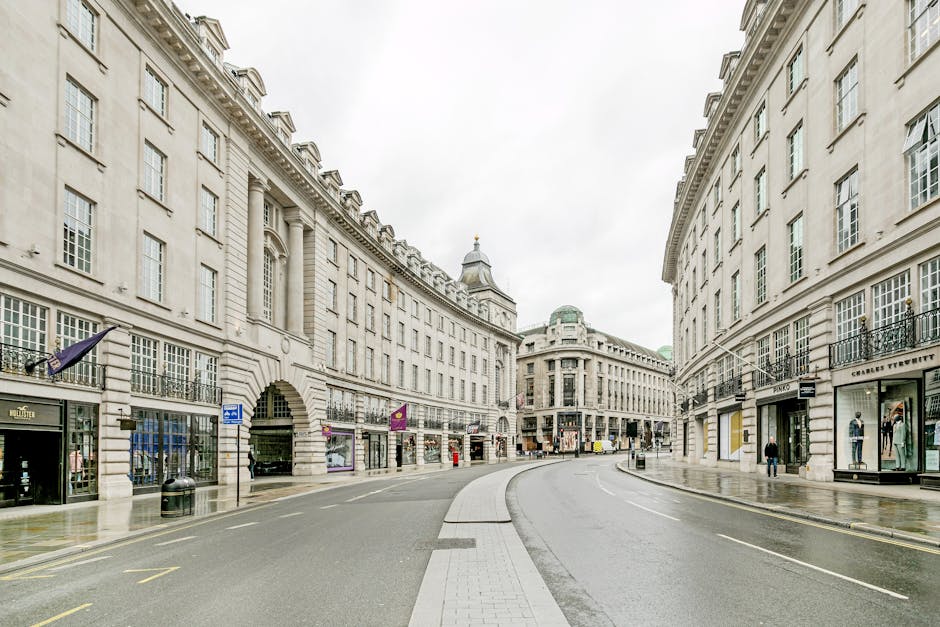
Marble Arch removals guide for narrow streets and terraces

Moving around Marble Arch is rarely a simple case of turning up with a van and hoping for the best. The streets can be tight, the terraces can be awkward, and there is often a real squeeze between parking, loading, neighbours, and timing. If you are planning a Marble Arch removals guide for narrow streets and terraces, the details matter far more than people expect. One badly timed arrival or a van that is too large can make the whole day feel twice as hard.
This guide walks you through the practical side of moving in and out of terrace homes and narrow central London streets. You will find clear advice on planning access, choosing the right vehicle, protecting furniture, managing neighbours, and avoiding the most common headaches. Truth be told, most difficult moves are not difficult because of the lifting itself; they are difficult because the street gets in the way.
For readers comparing options, it may also help to look at general home moves, house removals, or a flexible man and van approach when the property layout is awkward. Those pages sit naturally alongside this guide because the moving method and the property type need to match.
Why Marble Arch removals guide for narrow streets and terraces Matters
Marble Arch sits in a part of London where access can be the real challenge, not the packing. Narrow roads, parked cars, controlled loading areas, and older terrace layouts can turn a straightforward house move into a small logistics puzzle. If you ignore that puzzle, you end up with avoidable delays, strained backs, damage to furniture, and a team stuck at the kerbside wondering where the nearest sensible drop-off point is.
Terraced properties bring their own quirks. Front doors may open directly onto the pavement. Hallways can be tight and staircases steep. Some homes have basement steps, shared entrances, or a short flight of awkward turns that make a wardrobe feel much heavier than it really is. And in central London, one extra metre of van length can matter. Quite a lot, actually.
That is why planning a move in this part of the city is less about brute force and more about access strategy. You are not just moving items from A to B. You are managing distance, timing, equipment, and the street itself.
If you are arranging a full household relocation, it is worth reading the broader guidance on house movers and house removalists too, because the skills needed for compact urban access are not the same as those needed on a wide suburban road with easy driveway parking.
How Marble Arch removals guide for narrow streets and terraces Works
The best removals plan for a narrow street starts before moving day, usually with a proper access check. That means looking at where the van can stop, how long it can stay there, whether the entrance is on a slope, and how far the crew will need to carry items. In central London, those distances are often short on a map but longer in reality because of doorways, corners, kerbs, and traffic.
In practical terms, a good move in this setting usually follows a simple pattern:
- Assess the property and the street access.
- Choose the right vehicle size for the road and the load.
- Prepare packing, labelling, and furniture protection in advance.
- Plan the order in which items leave the property.
- Protect the building, the pavement, and the furniture during loading.
- Allow for loading delays, traffic, and neighbour access.
That sounds straightforward, and in a calm week it may be. But the street rarely reads the plan. A delivery lorry might block the road, rain can make steps slippery, and a sofa that fit in the living room suddenly refuses to pivot through a narrow stair turn. The people who handle these moves well build in flexibility from the start.
For that reason, many households find a smaller, more adaptable service useful. A practical man with van style setup can work well where access is tight and the load is moderate. For slightly larger or more complex moves, a dedicated moving van or broader removal services package may be the better fit.
Key Benefits and Practical Advantages
When the move is planned properly, the benefits are very real. Not glamorous, maybe, but very real.
- Less wasted time: a properly sized vehicle and a realistic loading plan reduce stop-start delays.
- Lower damage risk: fewer awkward lifts and fewer rushed turns mean less chance of scratched walls or chipped furniture.
- Better neighbour relations: a tidy, organised move is less disruptive than repeated blocking of entrances or shared space.
- Safer lifting: narrow staircases and tight turns are easier to manage when the crew knows the route in advance.
- Reduced stress: once the access issue is solved, the day feels much more manageable.
There is also a financial side to this. A move that is delayed by access problems can cost more through extra labour time, parking complications, or the need to make a second trip. Nobody likes that surprise at the end of the day. Nobody.
To be fair, the best moves often look a little boring from the outside. That is a compliment. The van arrives on time, items are protected, boxes are stacked logically, and the crew does not have to keep reinventing the route up the stairs. Boring is good when you are moving a house in a tight part of London.
Who This Is For and When It Makes Sense
This guide is especially useful if you live in a terrace, converted house, flat above shop premises, or a period property with limited access. It also helps if your street has narrow carriageways, low kerbs, no driveway, or loading restrictions that make a standard moving day more complicated than usual.
It makes sense for:
- families moving from or into terraced homes;
- flat-sharers with bulky furniture and tight stairwells;
- professionals moving in central London with limited parking;
- older residents who want a calmer, more supported move;
- landlords and tenants coordinating a same-day handover;
- small businesses relocating from terrace-style premises or mixed-use buildings.
If your move is business-related, the access issues are similar but the pressure is often higher because the schedule is fixed. In that case, it may be worth reviewing commercial moves or office removals if the property has a work-from-home setup, stock, or office equipment to shift.
Not every move needs a full truck and a large crew. Sometimes the smartest option is a leaner setup with fewer hands but more manoeuvrability. That is especially true when the street is the bottleneck, not the inventory.
Step-by-Step Guidance
Here is the part that usually saves people the most hassle: doing the right things in the right order. A move in a narrow terrace does not reward improvisation. It rewards preparation. Plain and simple.
1. Survey the access before moving day
Check the width of the road, the position of parking bays, any bends, nearby bollards, and the distance from the van to the front door. Look at the staircase too. If there is a tight landing, low ceiling, or awkward turn, note it early. A ten-minute look can save an hour of back-and-forth later.
2. Measure the largest items
Measure sofas, wardrobes, beds, mirrors, and appliances. That sounds obvious until you are trying to turn a wardrobe through a narrow hallway and the measurements become suddenly important. Write them down. Do not rely on memory; memory gets cheerful and vague under pressure.
3. Decide what needs dismantling
Some items simply move better when taken apart. Bed frames, table legs, shelves, and certain wardrobes are often easier to handle in pieces. Keep screws and fittings in labelled bags, ideally taped to the item they belong to. Future-you will be very grateful.
4. Book the right kind of vehicle
A long wheelbase vehicle is not always the best answer in narrow streets. A slightly smaller van may park more easily, allow quicker loading, and reduce stress on tight turns. If the load is substantial, a larger vehicle may still be right, but only if the street can reasonably handle it.
5. Protect the property and the furniture
Use blankets, corner protectors, wraps, and floor protection where needed. In terrace houses, scuffs happen fast because walls and handrails sit close to the movement path. The right protection feels like overkill right up until it saves you from a repair bill.
6. Load in a sensible sequence
Heavy and awkward items normally go in first, but only if the exit route supports that plan. Keep everyday essentials near the back for quicker access at the other end. A well-packed van is less about squeezing every last gap and more about controlling movement.
7. Keep communication clear on the day
One person should call the shots. Too many instructions from too many people can slow everything down. If there is a difficult corner, a steep step, or a neighbour waiting to pass, make the decision quickly and keep the flow steady.
8. Allow for the final handover
Once the vehicle is unloaded, do a walk-through. Check hallways, doorframes, and the stair path for damage or missed items. In rented properties especially, a short final check can prevent annoying disputes later.
Expert Tips for Better Results
These are the small things that make a big difference. They are not flashy, just useful.
- Pre-pack the awkward items first: lamps, picture frames, mirrors, and loose shelf contents always take longer than people expect.
- Keep the stair route clear: shoes, bins, coat racks, and plant pots become trip hazards very quickly in a terrace house.
- Use colour-coded labels: it speeds up unloading and helps with rooms that are similar in layout.
- Protect the corners, not just the item: tight hallways often damage walls before furniture gets hurt.
- Plan for a wet day: London weather changes its mind constantly, so have covers and towels ready.
- Keep the kettle and essentials separate: you do not want to unpack all day just to find tea bags. That is a small disaster in itself.
One thing that often gets overlooked is timing. Early morning moves can be calmer because the road is quieter. On the other hand, if the building has strict access windows or noisy neighbours below, later might be more sensible. There is no universal answer; the right answer is the one that fits the street.
If you are looking for a more guided approach, a reputable removal company can help shape the day around the property rather than forcing the property to fit the service. That distinction matters more than it sounds.
Common Mistakes to Avoid
Narrow streets expose weak planning very quickly. The mistakes are often simple, but the consequences are annoying.
- Choosing a van that is too large: if it cannot stop legally or safely, it is the wrong van.
- Not checking access beforehand: assuming the driver will "manage somehow" is risky.
- Leaving packing too late: rushed boxes break, and rushed lifting causes damage.
- Ignoring stairwell turns: a sofa can clear a room but fail at the landing.
- Forgetting parking pressures: in central London, where the van sits is almost as important as what is in it.
- Not briefing neighbours or building managers: a little warning can prevent complaints and blocked access.
- Mixing essentials with everything else: keep documents, keys, chargers, and a kettle box apart.
The biggest mistake? Treating a terrace move like a standard driveway move. They are not the same. Not even close. A terrace move is a choreography problem as much as it is a transport problem.
Tools, Resources and Recommendations
You do not need a warehouse of gear, but the right moving tools can make the day calmer and safer.
| Tool or resource | Why it helps | Best used for |
|---|---|---|
| Furniture blankets | Reduces scratches and impact damage | Tables, wardrobes, cabinets, framed items |
| Straps and tie-downs | Keeps items stable in transit | Heavy boxes, appliances, stacked furniture |
| Floor protection | Helps protect hallways and stairs | Terrace entrances, shared halls, rented homes |
| Labelling system | Makes unloading faster and less confusing | Rooms with similar furniture or multiple floors |
| Basic toolkit | Useful for dismantling and reassembly | Beds, shelves, curtain rails, tables |
It can also help to use a service that includes packing support. If the property is especially tight, a full packing and unpacking services option may reduce damage and speed up the move. For smaller jobs, a removal van or a simple moving van arrangement may be enough.
There is no prize for doing everything manually if it makes the job harder. Use the tools that genuinely reduce friction. That is the whole point.
Law, Compliance, Standards and Best Practice
Moves in Marble Arch and similar central London areas are shaped by practical compliance as much as by convenience. You may need to consider parking permissions, loading restrictions, shared access, building rules, and the responsibilities that come with working safely on narrow streets. The exact requirements depend on the street, the building, and the local arrangements in place, so it is sensible to check carefully before the day.
Good practice normally includes:
- keeping pavements and entrances as clear as possible;
- avoiding unsafe lifting or overloading;
- protecting communal areas in blocks and terraces;
- making sure the team has the right equipment for manual handling;
- staying within any access times set by landlords, building managers, or local parking arrangements;
- using appropriate insurance and clear terms for the work.
It is also sensible to review a provider's own safety and policy pages before booking. For example, a company's health and safety policy, insurance and safety information, and terms and conditions can tell you how it approaches risk, liability, and customer expectations.
For many customers, that trust layer matters as much as the quote. You are letting people move your belongings through tight spaces, after all. It is fair to ask how they manage that responsibility.
Options, Methods, or Comparison Table
Different move types suit different access conditions. The right choice depends on volume, street width, staircase layout, and how much help you want on the day.
| Option | Best for | Strengths | Watch-outs |
|---|---|---|---|
| Man and van | Smaller households, lighter loads, tight streets | Flexible, nimble, easier to park | May need extra trips for larger volumes |
| Full house removals | Whole-home moves with more furniture | More capacity, more organised process | Needs careful access planning in narrow roads |
| Removal van only | Moderate loads with straightforward lifting | Cost-effective and practical | Limited space for oversized items |
| Packing support plus transport | Busy households, fragile items, time-sensitive moves | Less stress, less breakage, faster loading | May cost more than DIY packing |
If you are deciding between these, ask yourself one simple question: what is the street likely to allow without drama? That answer usually points you in the right direction. A smaller load moved efficiently is often better than a bigger lorry that spends the morning looking for somewhere to stop.
For many customers, the best fit is somewhere between a compact flexible service and a more structured household move. That is where man and van removals can be a neat middle ground.
Case Study or Real-World Example
Imagine a two-bedroom terrace off a busy central London road near Marble Arch. The property has a narrow hallway, a steep staircase, and no driveway. The client has a bed frame, two wardrobes, a sofa, boxes of books, and several fragile mirrors. At first glance, it looks manageable. Then you notice the road width, the parked cars, and the fact that the front door opens almost straight onto the pavement.
In that kind of move, the team would usually:
- arrive with a vehicle sized for easy kerbside access rather than maximum load;
- protect the hallway and staircase before any heavy lifting begins;
- dismantle the large wardrobe and bed frame before moving them;
- load the heaviest items first, while keeping the route clear;
- move fragile items separately and label them clearly;
- keep a close eye on timing so the street is not blocked longer than needed.
The difference between a smooth day and a stressful one in this scenario is not luck. It is the sequence. The route. The access plan. Small things, but they stack up quickly.
By lunchtime, the move feels controlled rather than chaotic. The furniture goes out cleanly, the neighbours are not upset, and the crew is not wrestling a sofa at a bad angle for fifteen minutes. That is the sort of boring success everyone wants.
Practical Checklist
Use this checklist before moving day. It is simple, but it covers the bits that get missed most often.
- Confirm the moving date and arrival window.
- Check street access, parking, and any loading limitations.
- Measure the largest furniture and appliances.
- Decide which items need dismantling.
- Label boxes by room and priority.
- Pack essentials separately for the first night.
- Protect floors, walls, and corners in the property.
- Keep the stairway and hallway clear of clutter.
- Brief neighbours or building staff where appropriate.
- Review insurance, safety, and booking terms in advance.
- Keep keys, documents, and chargers with you.
- Do a final walk-through before leaving.
Quick expert summary: the best Marble Arch move is rarely the one with the biggest vehicle. It is the one with the smartest access plan, the calmest loading sequence, and the fewest surprises. That is what saves time, money, and a fair bit of stress.
Conclusion
A move in Marble Arch is manageable when you treat the street as part of the job, not an afterthought. Narrow roads and terrace layouts demand more planning, more awareness, and a more realistic view of access. Once those pieces are in place, everything else becomes easier: packing, lifting, parking, and the final handover.
Whether you are relocating a small flat, a family home, or a compact business setup, the key is to match the move method to the property. Keep the route clear, protect the building, and choose a vehicle and crew that can work with the street rather than against it. That is the honest version of a good move. No drama, no guesswork, just steady progress.
If you are still shaping your plan, it may help to compare removal companies, check pricing and quotes, or read more about removals so you can choose the level of support that fits your property and your day.
Get a free quote today and see how much you can save.
And if there is one final thought to leave you with, it is this: a difficult street does not mean a difficult move, not if the plan is sound and the team knows what they are doing.
Frequently Asked Questions
What makes Marble Arch removals tricky on narrow streets?
The main challenge is access. Narrow roads, parked vehicles, limited stopping space, and terrace layouts can slow loading and make larger vans harder to position safely.
Is a small van better for terrace house removals?
Often, yes. A smaller vehicle is usually easier to park and manoeuvre in tight streets, especially where turning space is limited. For larger loads, though, you still need enough capacity to avoid too many trips.
How far in advance should I plan a move in central London?
The earlier the better. Even a few weeks makes a difference because you can review access, parking, packing, and timing without rushing. If the move is complex, give yourself extra breathing room.
Do I need to measure furniture before the move?
Yes. Measuring the largest items helps you work out what needs dismantling and whether the route through the stairwell or front door is realistic. It saves a lot of guesswork on the day.
What should I do if parking is very limited?
Check the access situation in advance and discuss it with your mover. In some cases, a different van size or a slightly adjusted arrival window makes the whole job easier.
Can a terrace move be done without damaging walls or stairs?
It can, provided the team uses proper protection and the route is planned carefully. Corner guards, blankets, and floor covering are all helpful in tight hallways and staircases.
Are packing services worth it for a narrow-street move?
They often are, especially if the property is busy or the items are fragile. Good packing makes loading quicker and reduces the chance of damage during awkward lifts and turns.
How do I choose between a man and van and a full removals service?
Think about volume, access, and time pressure. A smaller move with tight access may suit a man and van setup, while a full household move usually benefits from a more structured removals service.
What items usually need dismantling first?
Beds, large wardrobes, some dining tables, shelving units, and bulky office furniture are common examples. If an item is awkward to turn or too tall for the staircase, dismantling usually helps.
Should I tell neighbours about the move?
Yes, if the street or shared entrance is likely to be busy. A little warning can reduce conflict, improve access, and keep everyone calmer. It is a small courtesy that pays off.
What safety checks should I ask about before booking?
Ask about insurance, manual handling practices, vehicle suitability, and how the team protects property and communal areas. It is sensible to review the provider's insurance and safety information and related policies before confirming.
Is Marble Arch suitable for same-day moves?
Sometimes, yes, but only if access is planned properly and the load is realistic. Same-day moves in narrow streets can work well when the packing is complete and the schedule is not too tight.